
The combined share of customs and excise duties, service tax, and value-added tax in India's gross domestic product reached an all-time high of 10.5%.

Anup Roy and Krishna Kant on the challenges the public sector banks face in revitalising themselves
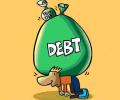
In the past three years, personal loans have grown at twice the rate of growth in personal disposable income, leading to a steady rise in household indebtedness. At the end of March this year, Indians owed Rs 25.2 lakh crore to banks and listed non-banking finance companies (NBFCs), up 65 per cent in the past three years.

First sequential decline in a decade as 8 of top 15 software firms report drop in manpower

The gap between Nifty's price-earnings multiple and economic growth is at a 12-year high

One thing has remained constant through the Indian economy in the last seven decades: the dominance of family-owned businesses. Krishna Kant reports.

12 out of 21 public sector banks reported declines in their loan books in the last financial year against seven such banks in 2015-16 and none in 2013-14.
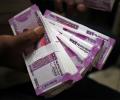
Fresh investments by corporates up just 5.8% in FY17, lowest since 1992

Once tipped to emerge as the biggest exporter, the pharmaceutical industry is yet to acquire the scale of those in software services, says Krishna Kant.

While larger companies like Nestle India, Britannia and the like are often mentioned, some mid-cap companies are also expected to grow at a rapid clip.

These consistent performers are expected to maintain momentum.

Slowing growth, stronger rupee and higher local hiring to pull firms down this financial year

Premiumisation, improving demand aid realisation growth at most large firms

If customers did not see value in what we provide them at the price point at which we provide these, they would not have been there with us in such a competitive market, says HDFC deputy managing director Paresh Sukthankar.

Number of stocks trading above 50 times and 100 times earnings are at record highs. When this happened in 2015 and 2016, the Sensex fell 22.6 per cent in a little over a year's time after peaking in January 2015, while it fell by 11.3 per cent in two months from its peak in September 2016.

The continuing stress faced by corporate India has weakened their debt-servicing capability and this is reflected in the banks' books, as yet-burgeoning bad loans.

What stocks will gain from a normal monsoon?

Falling revenues, increased capex, and first full year of spectrum debt may make things worse

While UltraTech Cement has been the biggest value creator adding nearly Rs 99,000 crore to its market capitalisation, Grasim Industries has added around Rs 27,000 crore to its market cap.

Historically, overall credit has grown at 1.6 times GDP growth
 © 2026 Rediff.com - Investor Information - Advertise with us - Disclaimer - Privacy Policy - Sitemap - Feedback - About us - Terms of use - Grievances